
TL;DR:
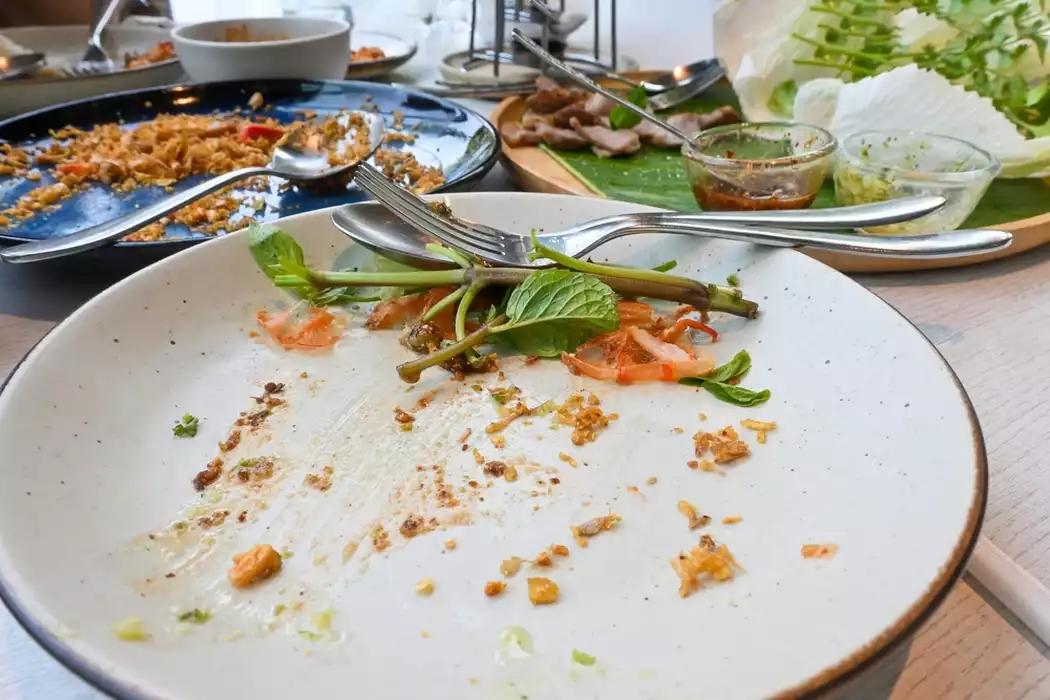
Learning how to prevent food waste in restaurants will protect your margins without hurting service or guest experience. The restaurants that control waste best usually aren’t buying less food. They’re making smarter decisions with better visibility into what’s happening in the kitchen and behind the bar.
- Use inventory systems, FIFO, and accurate par levels to avoid over-ordering and spoilage
- Track prep yields, variance, overpour, and waste consistently — not just once a month
- Build menus around cross-utilized ingredients so products get used before they die on the shelf
- Standardize recipes and portion sizes to tighten both food cost and pour cost
- Use inventory data weekly to spot problems before they turn into margin killers
- Treat waste reduction as an ongoing operating habit, not a one-time cleanup project
Why Restaurant Food Waste Is Quietly Crushing Margins
You finish inventory on Sunday night feeling pretty good about the week. By Wednesday, prep levels are already off.
Produce is dying in the walk-in. A few overpours happened during the rush. The chicken yield isn’t matching what the recipe says it should. And somehow, your food and beverage numbers still don’t line up with the POS.
That’s restaurant food waste in real life.
Most operators don’t lose money because of one massive mistake. They lose it through dozens of small misses that stack up every week. These include spoilage, over-ordering, bad prep yields, and inconsistent portioning. Overpour, comps, and products that quietly disappear without anyone noticing are additional culprits.
The hard part is that a lot of this waste stays invisible until you track it. That’s why operators who take inventory seriously usually protect margins better than the ones relying on gut feel. When you can clearly see what you’re ordering, prepping, pouring, wasting, and selling, you make better decisions faster.
Reducing waste doesn’t mean cutting corners or shrinking portions. It means running a tighter operation where every ingredient has a purpose and every dollar of inventory generates revenue. Continue reading to learn how to control your margins without hurting the customer or employee experience.
How to Prevent Food Waste in Restaurants with Better Inventory Management
The most effective way to prevent food waste in restaurants requires visibility. If your inventory numbers are inconsistent, your ordering usually is, too. That’s when restaurants end up with too much product sitting on shelves or dying in coolers.
Simple systems make a huge difference here. Using first-in, first-out (FIFO) consistently helps reduce spoilage by making sure older product gets used first. Setting accurate par levels helps prevent over-ordering during busy weeks or panic purchasing before weekends.
Regular inventory counts matter too — especially when they’re consistent. Most operators already know counting inventory is important. The challenge is finding time to turn those counts into useful decisions. That’s where structure matters.
Your team counts food and beverage inventory using the app. Then we review the data, standardizing, spot-checking, and comparing it against your POS and purchasing patterns. That’s how you catch issues like unusual variance, shrinking prep yields, or products that consistently get over-ordered.
Most inventory platforms stop at the count. The real value comes through understanding what the numbers are telling you. When inventory stays accurate week after week, purchasing becomes more predictable; waste drops, and margins become easier to control.
Proven Ways to Reduce Food Waste in Restaurants Through Better Kitchen Habits
One of the best ways to reduce food waste in restaurants is by creating consistency in the kitchen. If prep changes every shift, waste creeps fast.
Chefs eyeball recipes. Portion sizes drift. Produce gets over-prepped. Bartenders free-pour during busy service. Before long, your theoretical food and beverage costs stop matching reality.
The goal is consistency — not perfection. Standardized recipes and portion controls help kitchens produce the same result every time. That protects both guest experience and profitability.
Cross-utilization matters too. When multiple dishes share ingredients, products move faster and spoil less. The same idea applies behind the bar. Citrus, syrups, garnishes, and batched cocktail ingredients all need a plan before they become waste.
Restaurants that reduce waste well usually have tight communication between purchasing, prep, and service. Everyone understands pars. Everyone understands portioning. And everyone understands that waste affects margins.
Prep yields are another major opportunity. If your team assumes a case of chicken produces more usable product than it does, your food cost numbers will always be off. The same goes for trimming produce, batch recipes, sauces, proteins, and specialty ingredients.
Small inaccuracies create significant problems over time. The operators who consistently control food cost usually aren’t doing anything flashy, just paying attention every single week.
Managing Food Waste in Restaurants Starts with Tracking the Right Numbers
Managing food waste in restaurants gets easier once you stop guessing. When operators track waste consistently, patterns appear quickly.
- Maybe one menu item creates more plate waste than expected.
- Maybe draft beer loss is higher during certain shifts.
- Maybe prep teams are consistently overproducing sauces or sides before slower days.
Without tracking, those problems stay hidden. With tracking, they become fixable. Daily or weekly waste logs help operators identify where losses are happening, for whatever reason. Inventory systems help connect those numbers back to reality.
You can compare theoretical versus actual usage, spot unusual variance, identify problem products, and adjust before the problem turns into another expensive month. This is where disciplined inventory management separates strong operators from stressed operators.
The restaurants that manage food waste in restaurants successfully usually aren’t reacting to problems after the fact. They’re reviewing the numbers regularly and making small corrections every week. That’s how you control waste long term.
Practical Ways to Reduce Food Waste in Restaurants While Increasing Profitability
The best ways to reduce food waste in restaurants usually aren’t complicated solutions, but operational habits.
Count inventory consistently. Watch prep yields closely. Keep par levels realistic. Tighten portioning. Review variance weekly. Adjust ordering based on actual usage instead of assumptions.
Most importantly, don’t let inventory become a once-a-month exercise. Waste reduction works best when it becomes part of the weekly rhythm of the business. That’s also why third-party oversight matters.
When someone consistently reviews the numbers, they’ll spot unusual patterns, helping operators understand what changed week to week. This means you will catch problems earlier, because you’re not waiting until the P&L arrives to realize margins slipped.
You stay in control of the operation. The numbers just get a lot more accurate. Ultimately, learning how to manage food waste in restaurants is about building a more disciplined operation.
Less spoilage. Less overpour. Less guessing. Better visibility. Better decisions. Better margins.
When you account for every ingredient, your inventory stops feeling like a constant source of stress. Instead, it can be one of the clearest ways to protect profitability.
See What Your Numbers Are Actually Telling You
Most operators already know they have some waste. The question is where it’s happening — and how much it’s costing you every week.
You count with Sculpture Hospitality’s tech. We handle the data, spot-check the numbers, and help you see where food cost, pour cost, variance, and waste are hurting margins.
Get a clearer picture of your inventory and start making decisions with numbers you can trust.