
TL;DR:
Understanding your average bar profit margin starts with understanding your pour cost. This blog explains how small inconsistencies behind the bar can quietly reduce profitability. We also cover what you can do to protect your margins through better inventory practices and consistent pours.
- Learn what a good pour cost percentage looks like and how it affects your bottom line.
- Understand the 50% rule in bartending and when it can serve as a useful pricing benchmark.
- See why standard 1.5-ounce pours and consistent drink recipes help control beverage costs.
- Discover what a healthy profit margin for a bar typically looks like and why many operators fall short.
- Learn how accurate inventory counts and regular POS comparisons help identify issues before they impact profits.
Friday night was packed. Your bartenders kept drinks moving, guests were happy, and sales looked great. Then you looked at your numbers. Somehow, the profit wasn't there.
If that sounds familiar, your pour cost deserves a closer look. Every extra half-ounce, inconsistent cocktail recipe, or inventory discrepancy chips away at your average bar profit margin.
On its own, it might not seem like much. Over weeks and months, though, those small losses can turn into thousands of dollars that never appear in your bottom line.
The good news is that improving your bar profit margin doesn't always mean raising prices or selling more drinks. Often, it's about making sure every pour matches your standards and your inventory tells the same story as your POS.
Understanding how pour cost affects profitability gives you a clearer picture of what's happening behind the bar. Once you know where your margins are slipping, you can make changes that protect your profits without changing the guest experience.
What Is a Good Pour Cost Percentage?
Pour cost tells you how much you're spending on the alcohol in each drink compared to what you charge for it. For most bars, a good liquor pour cost falls between 18% and 24%. However, the ideal target depends on your concept, pricing strategy, and beverage program. Premium cocktail bars may run slightly higher, while high-volume neighborhood bars often aim to keep it lower.
You've probably also heard of the 50% rule in bartending. This is a simple pricing guideline that suggests a drink's selling price should be about twice its total cost. Use the formula after accounting for more than just the liquor. While this is a useful benchmark, it isn't a substitute for tracking your actual numbers.
The real goal is consistency. If your target pour cost is 20% but is truly 24%, your bar profit margin shrinks with every drink you serve. That's why successful operators don't rely on estimates. They measure pour cost regularly, compare it against data, and adjust before small issues become expensive.
Standard Pours, Overpouring, and Why Consistency Protects Bar Profit Margins
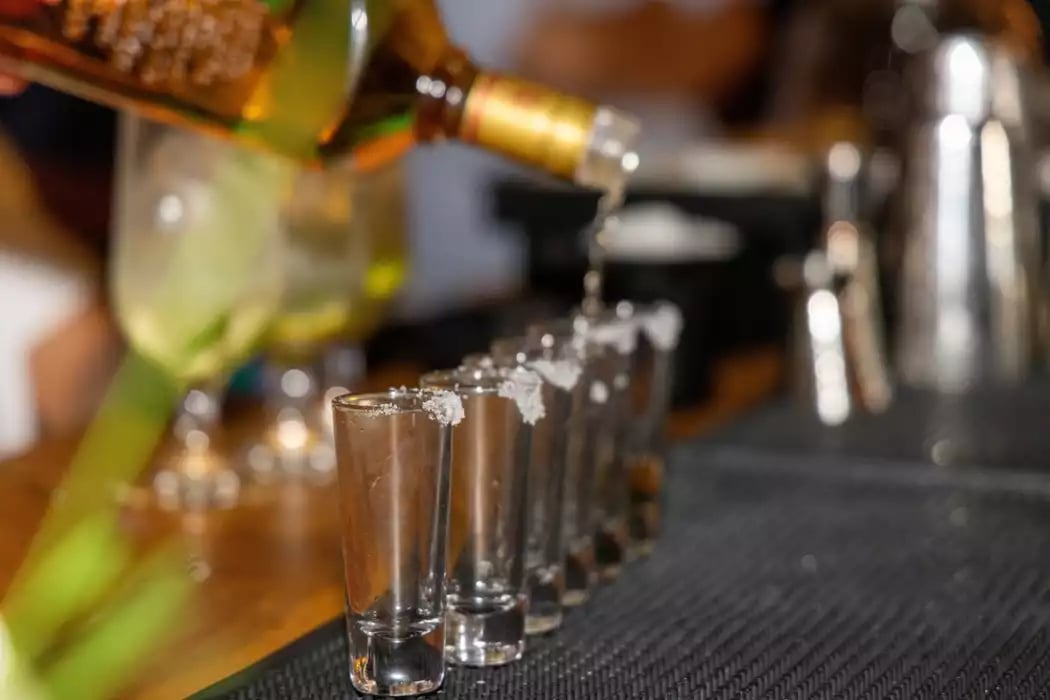
A standard liquor pour at most bars is 1.5 ounces. Some operations use 1.25-ounce or 2-ounce pours depending on their drink menu, local regulations, and house standards. The key isn't choosing one size over another. Instead, you must ensure every bartender pours the same amount every time.
When pours begin varying, so do your costs. An extra quarter-ounce in a popular cocktail may not seem like much during a busy shift. When you multiply that by dozens of drinks every night, the lost revenue becomes significant quickly. That's how healthy bar profit margins gradually shrink without anyone noticing.
Consistency starts with clear recipes, proper jiggers or calibrated pour spouts, and regular staff training. It also requires accurate inventory counts to confirm what's actually leaving the bottle. If your sales say one thing and your inventory says another, it's worth taking a closer look.
Standardized pours don't just protect your costs. They create a more consistent guest experience, make inventory easier to reconcile, and give you a clearer picture. You’ll better understand where your beverage program is performing well and where it's quietly costing you money.
What Is a Good Profit Margin for a Bar?
Strong sales don't always translate into strong profits. A healthy profit margin for a bar typically falls between 10% and 15% after operating expenses. That number varies depending on rent, labor costs, beverage mix, and the type of operation you run.
Considering the average profit margin for a bar, many operators finish below their target. This is because small losses become large amounts over time.
Pour cost is one of the biggest factors you can control. Every overpour, unrecorded comp, or inventory discrepancy increases your cost of goods sold. It also reduces the profit from every drink you serve. Even if sales remain steady, those hidden losses can keep your margins from where they should be.
Improving your profitability doesn't always require a menu overhaul or higher prices. Start by measuring the numbers you already have. You should regularly compare inventory counts with your POS data and investigate unexpected variances. This way, you can spot problems early, tighten controls, and build a more predictable, profitable beverage program.
Better Data Leads to Better Decisions
Improving your average profit margin for bars isn't about chasing perfect numbers. Instead, you’re making sure the numbers you have are accurate enough to act on. When you know your pour cost, standardize drinks, and compare data regularly, you can catch issues early. Then you can fix them before they become expensive habits.
That's where consistent inventory management makes a difference. Instead of wondering why your beverage costs climbed, you'll have the information you need to make confident decisions. Whether it's adjusting pricing, coaching your bartenders, or identifying unexpected variance, reliable data gives you a clearer path forward.
At Sculpture Hospitality, your team counts inventory with our technology, and we handle the data, spot checks, and reporting. We compare your inventory with your POS, highlight issues, and help you understand what your numbers are telling you.
You stay in control of your operation. We keep the numbers honest, so protecting your profit margin becomes part of your weekly routine instead of a guessing game.